

The Complete Corporate Event Planning Checklist

Planning a successful corporate event involves much more than booking a venue and sending invitations. Whether you're organising a conference, product launch, networking event, awards ceremony, or company celebration, every detail contributes to the overall guest experience and the success of the occasion.
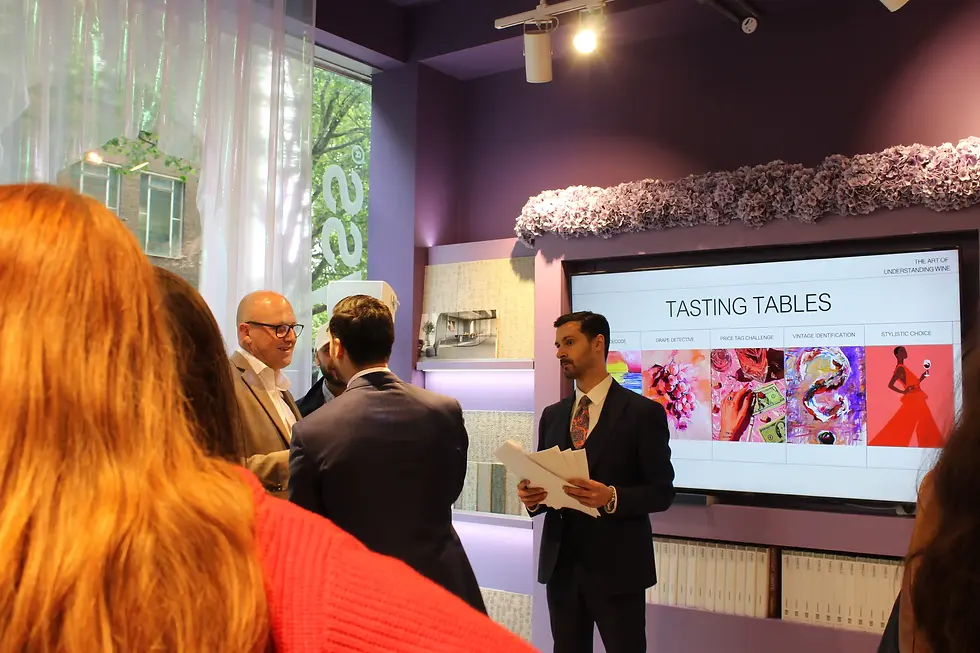
Having a structured checklist can help you stay organised, minimise last-minute surprises, and ensure nothing is overlooked. From selecting the perfect venue to arranging professional mobile bar hire, this complete corporate event planning checklist will guide you through every stage of the process.
Define Your Event Goals
Before making any bookings, establish the purpose of your event.
Ask yourself:
Is the event designed to strengthen client relationships?
Are you celebrating company achievements?
Is it intended to generate leads or launch a new product?
Are you rewarding employees or building team morale?
Clearly defining your objectives will shape every decision that follows, including venue selection, entertainment, catering, and guest experience.
Set a Realistic Budget
Creating a comprehensive budget early in the planning process helps avoid unnecessary expenses later.
Consider allocating funds for:
Venue hire
Catering
Mobile bar services
Entertainment
Audio-visual equipment
Decorations
Event staffing
Photography and videography
Marketing materials
Contingency costs
A well-planned budget allows you to prioritise spending where it will have the greatest impact.
Create Your Guest List
Knowing your expected attendance helps determine the size of the venue and the level of service required.
Think about:
Employees
Clients
Business partners
Sponsors
Media representatives
VIP guests
Request RSVPs in advance to finalise catering and beverage requirements accurately.
Choose the Right Venue
Your venue should align with your event objectives and comfortably accommodate all attendees.
When evaluating venues, consider:
Capacity
Accessibility
Parking availability
Public transport connections
On-site facilities
Internet connectivity
Layout flexibility
Licensing requirements
For events without permanent bar facilities, hiring a professional mobile bar can significantly enhance the guest experience.
Select Professional Catering
Food and beverages often become one of the most memorable aspects of any event.
Popular catering options include:
Buffet service
Canapés
Formal seated dining
Street food stations
Afternoon tea
Grazing tables
Be sure to accommodate dietary requirements such as vegetarian, vegan, gluten-free, and allergy-friendly options.
Arrange Mobile Bar Hire
A professionally managed mobile bar adds style, convenience, and exceptional service to corporate gatherings.
Benefits include:
Skilled bartenders and mixologists
Bespoke cocktail menus
Premium spirits and wines
Mocktail selections
Custom branding opportunities
Efficient guest service
Whether you're hosting a networking event or an annual awards ceremony, a mobile bar creates a welcoming environment that encourages conversation and engagement.
Book Entertainment
The right entertainment keeps guests engaged throughout the event.
Options may include:
Live bands
DJs
Acoustic musicians
Magicians
Comedians
Interactive performers
Guest speakers
Cocktail masterclasses
Choose entertainment that complements the tone and objectives of your event.
Organise Audio-Visual Equipment
Professional AV support is essential for presentations, speeches, and product launches.
Confirm availability of:
Microphones
Projectors
LED screens
Sound systems
Stage lighting
Video conferencing equipment
Presentation clickers
Conduct technical rehearsals before guests arrive to avoid disruptions.
Plan Your Event Schedule
Develop a detailed timeline covering every stage of the event.
Include:
Supplier arrivals
Venue setup
Guest registration
Welcome speeches
Networking sessions
Meal service
Entertainment
Award presentations
Closing remarks
Breakdown and cleanup
Sharing the schedule with suppliers ensures everyone remains coordinated.
Consider Branding Opportunities
Corporate events provide valuable marketing opportunities.
You can reinforce your brand through:
Branded signage
Custom banners
Presentation materials
Staff uniforms
Digital displays
Printed programmes
Signature cocktails named after products or campaigns
Branded mobile bar installations
Consistent branding leaves a lasting impression on attendees.
Coordinate Staffing Requirements
Successful events rely on experienced personnel working behind the scenes.
You may require:
Event managers
Registration staff
Security personnel
Hospitality hosts
Bartenders
Waiting staff
Technicians
Cleaners
Confirm staffing numbers based on guest attendance and event complexity.
Prepare for Health and Safety
Risk management should be part of every event plan.
Ensure you have:
Emergency contact information
First aid arrangements
Fire safety procedures
Crowd management plans
Appropriate insurance
Alcohol service compliance
Venue risk assessments
Preparation helps protect both guests and organisers.
Promote the Event
If appropriate, create excitement before the event through marketing efforts.
Promotion channels may include:
Email campaigns
LinkedIn announcements
Company newsletters
Social media
Press releases
Partner communications
Encourage attendees to register early and share updates leading up to the event.
Capture Professional Photography and Video
High-quality visual content extends the value of your event long after it ends.
Professional media can be used for:

Social media marketing
Company websites
Future event promotion
Recruitment campaigns
Annual reports
Internal communications
Brief photographers on key moments to capture, including networking, presentations, and branded experiences.
Follow Up After the Event
Post-event communication strengthens relationships and provides valuable insights.
Consider:
Thank-you emails
Guest surveys
Performance reviews
Social media highlights
Photo galleries
Internal debrief meetings
Analysing feedback helps improve future events and measure return on investment.
Final Checklist Before Event Day
Before the event begins, confirm the following:
✓ Venue booking confirmed
✓ Guest list finalised
✓ Catering arranged
✓ Mobile bar booked
✓ Entertainment confirmed
✓ AV equipment tested
✓ Staff briefed
✓ Branding installed
✓ Emergency procedures reviewed
✓ Supplier arrival times confirmed
✓ Event schedule distributed
Completing these final checks helps ensure a smooth and successful experience for everyone involved.
Conclusion
Organising a memorable corporate event requires careful planning, attention to detail, and reliable suppliers. By following this complete corporate event planning checklist, businesses can confidently manage every stage of the process while creating an engaging and professional experience for guests.
From selecting the ideal venue and coordinating entertainment to arranging premium mobile bar services, thoughtful preparation makes all the difference. Artender Events specialises in bespoke bar solutions, professional bartenders, and tailored beverage experiences that elevate corporate functions across London.
Contact Artender Events today to enhance your next business event with expertly delivered mobile bar hire and exceptional hospitality services.


Comments